EN
EN


“You never know when your story will inspire or help others,” say those who defeated the terrible disease. So today MedicGlobus will tell you about examples of successful cancer treatment.
The Story of Little Lena with Retinoblastoma
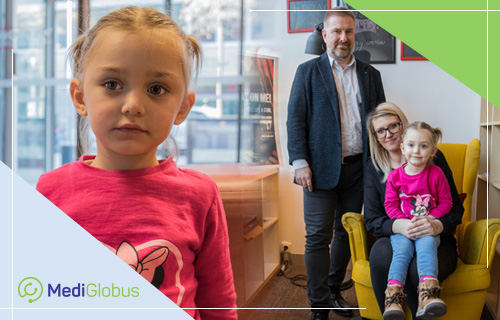
The baby’s mother noticed a problem with her eye last May: “Lena had a whitish reflection in the pupil on her right eye in several photos,” says Nikola, the girl’s mother.
During the examination at Motol University Hospital in June, the baby was diagnosed with retinoblastoma – eye cancer. Due to the seriousness of the diagnostic result, the doctors decided to immediately start cancer treatment. At first, the cytostatic substance was injected into the tumour area of the eye through a catheter inserted through the femoral artery. From autumn, the treatment was combined with cytostatics directly into the vitreous body of the eye.
In December, little Lena was given her last fifth injection of cytostatic. And the treatment worked! The number of tumour particles was significantly reduced, while the child’s vision and eyes were preserved. Of course, as in other similar cases, the girl will be under observation until she comes of age. But Lena’s family is happy that the therapy met their expectations and the child did not need to lose the eyes.
 Read:
Read: The story of Rosemary Montbacci and Melanoma in Stage 4
Before Rosemary Monbacci found out she had melanoma, she spent 31 years as a nurse in the paediatric ward of a Pennsylvania hospital. She was used to taking care of patients and her large family, including her mother who died of esophageal cancer in 2007. Rosemary knew firsthand how devastating a cancer diagnosis can be for the individual and their family. The first symptom of the disease was swelling in her left leg. On ultrasound, doctors found enlarged lymph nodes and performed a biopsy that helped establish the diagnosis – stage IV melanoma.
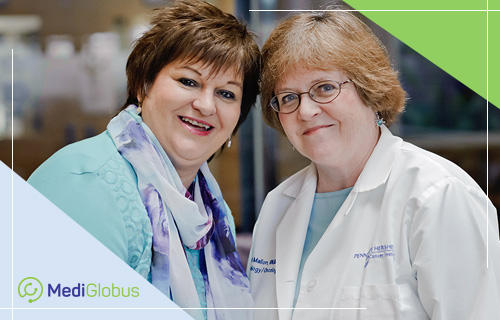
When she found out about the melanoma stage, Rosemary said she was sad and scared. She was concerned about the impact of her illness on her husband, daughter and other family members. Rosemary was worried that she would not survive, but after the initial shock, she was filled with determination to fight the cancer, to stay positive and strong.
The initial treatment plan included an operation to remove 17 lymph nodes followed by chemotherapy. Unfortunately, that was just the beginning. After only eight weeks, Manbachi’s cancer returned and spread quickly through her body. Rosemary then participated in clinical trials of a new immunotherapy drug, which also failed to yield positive results.
The next stage of treatment was a combination of several methods – immuno-, targeting and radiation therapy. Rosemary spent 2 hours daily for 4 weeks on this treatment. She was concerned about the side effects of the treatment but was glad that the tumor had not spread to the brain, liver, lungs and heart.
After almost a year of no response to any treatment, during Rosemary’s examination, doctors found no evidence of cancer in her body. In December 2013, she stopped taking her cancer medication and started to have checkups every 3 months. She now has these checkups every 6 months. Here’s some advice Rosemary gives to those who have have been diagnosed with cancer:
 Find a team of medical professionals who specialize in your type of oncology.
Be aware of what type of cancer you have and what treatment options are available.
Keep a healthy diet and exercise regularly.
Have regular medical checkups.
Use all resources available for cancer patients in your community. Cancer health centers and hospitals offer support groups, exercise classes, massages and more.
Try to cope with stress and don’t let the little things bother you.
Enjoy every minute you spend with your family and friends and appreciate life.
Address others with cancer and tell your story because we get strength from each other.
About Judy Perkins, who was cured of stage 4 breast cancer
At 49, Judy had breast cancer at the last stage. When the disease was first diagnosed, doctors decided to remove the mammary glands, but 10 years later the cancer returned and spread to other organs. There was a big tumor in Judy’s liver. Prognosis wasn’t too positive, counting months. She had seven courses of chemotherapy, but the treatment didn’t help her. Judy was desperate and preparing for the worst.
“I began to take all necessary measures to move from life to death. I handed over the property to my husband, got rid of my personal belongings and said goodbye to my family and friends – and most interestingly, I found peace along the way. I did not wait for death, it did not scare me. My biggest fear was that I would be hurt. But after a while, I learned that I could participate in clinical trials of a new cancer treatment.”
The doctors resorted to experimental therapy developed by scientists at the American Cancer Research Center (Maryland).
“Dr. Rosenberg’s genetic analysis of my tumor found 62 mutations responsible for the tumor malignancy. He then extracted the lymphocytes that could attack these genetic mutations, raised them in his lab and injected them back into my body. Then it was time to wait. I knew this experimental therapy had a low success rate, only about 14%. Besides, this treatment had never been used before for breast cancer. However, I was hoping for a miracle.
Ten days after the start of immunotherapy, the tumour in my chest decreased and eventually disappeared. Two months later, the tumors in the other organs also disappeared.
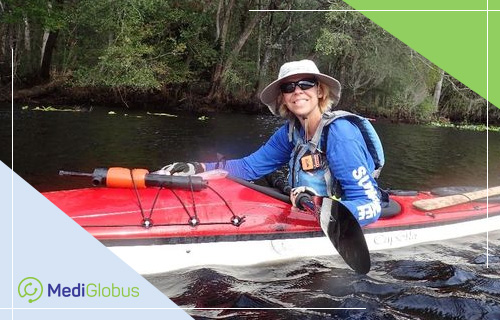
Closeness to death taught me to let go of events that I cannot control and gave me a sense of responsibility. Now I’m trying to help find a solution for people with cancer. Also I’ve resumed my active life – camping, kayaking. But I’m not taking anything for granted. I know how precious and dangerous life is, and how one tumor and one test can turn an active person into a dying person.”
About Rhonda Walker’s fight with breast cancer
Rhonda M. Walker is the wife, mother of four children, deputy chairman of the Montgomery County Commission in Alabama, orator and writer. In December 2014, Rhonda was diagnosed with locally invasive breast cancer. And that’s what she says about that period:
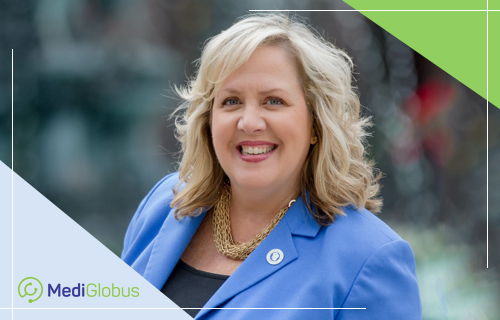
“A week before Christmas 2014, I was diagnosed with locally invasive breast cancer. I had two tumors in my right breast, two different types of cancer. One was the size of a lime, the other was the size of a penny. The exam showed cancer in several lymph nodes around my right breast. I needed an aggressive course of treatment.
First, I went through eight cycles of chemo to reduce the tumors. The first couple of courses were tolerable. And in the next chemo sessions, I was very tired, I had ulcers in my mouth, nausea and of course my hair fell out.
So I’ve had chemo, mastectomy and I’ve been prescribed radiation therapy to remove the remaining cancer cells. The same as with chemotherapy, at first it was easy and by the end of the course I felt side effects such as burning and pain in the irradiated area. When I came back to normal after the radiotherapy, I had reconstructive surgery.
It took me a year to fight cancer and I’m happy to say I won this fight! After 5 years, I still feel good… In fact, even better than good. Yes, I fight with grief and pain and fear every day. But despite what that cancer took away from me, it gave me a new perspective on life. Cancer was my reminder that life is short and tomorrow may not come. That understanding changed me. I no longer take life for granted. I don’t back down from problems and enjoy every moment with the people I love.”
We hope that stories like this will help you stay hopeful for a cure. Of course, the statistics on cancer survival can be frightening, but it is worth remembering about those who have coped with the disease. Medicine does not remain in one place, and the best scientists in the world are constantly looking for new ways to cure cancer.